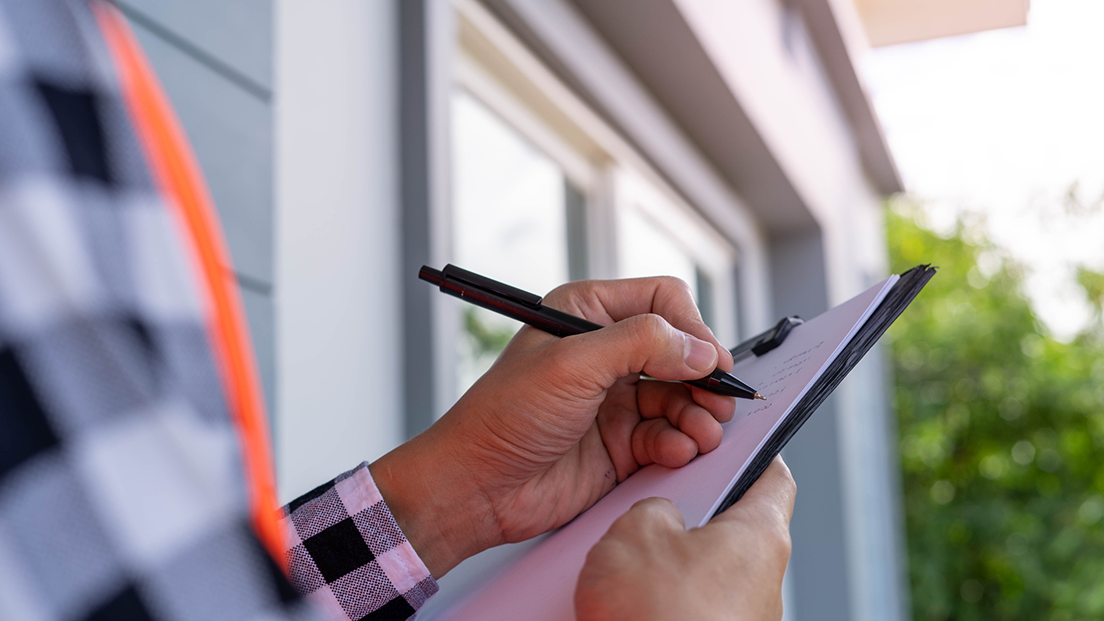
Standard home inspections provide valuable information about visible plumbing and HVAC components, but they cannot identify every hidden issue within those systems.
Most inspectors cannot see inside your pipes, evaluate underground sewer lines, or accurately predict how many years a furnace or air conditioner has remaining.
In Chicagoland, that information matters more than it would almost anywhere else. Sixty-six percent of Chicago-area homes were built before 1960. The home you’re buying may have plumbing and mechanical systems that are decades older than any estimate you’ll get from the inspection report, and they carry problems that buyers in newer-construction markets don’t have to think about.
So if you’re getting ready to sign that mortgage or scheduling your home inspection, be sure to ask these questions to ensure you’re informed about your next house.
What a Home Inspector Can (and Can’t) Tell You About Plumbing and HVAC
A thorough home inspector notes visible pipe corrosion, checks water pressure at accessible fixtures, looks for signs of water damage, and confirms that the furnace and air conditioner respond to the thermostat.
What they won’t do is run a camera through the sewer lateral, pull refrigerant levels on the AC, inspect the heat exchanger for cracks, or assess the interior condition of aging drain lines.
The scope also varies by inspector.
Some are meticulous about plumbing: testing pressure with a gauge, checking the condition of shutoff valves, and noting the age of every visible supply line.
Ask your inspector what their plumbing and HVAC scope includes before the inspection starts to better understand what information you might be missing.
5 Plumbing Questions to Ask During Your Home Inspection
These five questions help you uncover what’s going on with your plumbing and whether or not you’ll need to call a professional.
1. What type of pipes are the supply lines?
Copper and PEX are the most common materials used in modern residential water supply systems. Galvanized steel, common in homes built before the 1960s, corrodes from the inside out, gradually restricting flow without showing much on the surface.
Common signs include reduced water pressure, particularly at fixtures farther from the water entry point, and occasional rust-colored water. By the time visible corrosion appears on an exposed section, the interior restriction may already be significant. Full-house repiping can be expensive, depending on the home’s size, so knowing the pipe material before you close gives you something concrete to negotiate from.
2. How old is the water heater, and are there any signs of corrosion or leakage around the base?
Tank water heaters last 8–12 years on average. If the unit is over 10 years old, budget for a near-term replacement. Look at the age sticker on the tank yourself rather than relying solely on what shows up in the inspection notes.
3. Is water pressure consistent throughout the house?
Ask the inspector to run multiple fixtures simultaneously and describe what they observe.
Low pressure across several fixtures may point to a supply line restriction, a failing pressure regulator, or a partially closed main shutoff. A noticeable drop between the first and second floors is a common early symptom of galvanized pipe deterioration.
4. Is there any evidence of past water damage?
Fresh paint in an otherwise unfinished basement, soft flooring near fixtures, or staining on ceiling drywall can all indicate leaks that were addressed cosmetically rather than structurally.
5. What is the condition of the shutoff valves (the main shutoff and the under-fixture valves)?
Shutoff valves in older homes can seize from decades of disuse.
A main shutoff that doesn’t fully close is a problem you don’t want to discover during a burst pipe.
Confirming basic valve function now costs nothing; dealing with a corroded main shutoff later is a different situation.
5 HVAC Questions to Ask During Your Home Inspection
When it comes to your HVAC system, you want to be proactive, as losing heat or air conditioning during summer or winter causes all sorts of problems. These questions help give you a basic understanding of what’s going on with your HVAC system before you make your purchase.
1. How old is the furnace, and how old is the air conditioner?
These are often replaced at different times, so the ages may not match.
Furnaces typically last 15-30 years; central air conditioners 15-20 years.
Ask the inspector to note the data plates on both units, and look at them yourself if you can.
2. Is there a record of annual service?
Maintenance records tell you how the equipment was treated.
A furnace that’s been tuned up every fall runs differently than one that hasn’t been touched in a decade, even if both turn on during the inspection.
3. What type of refrigerant does the AC use?
Older systems using R-22 refrigerants present a specific problem: the EPA banned production and import of new R-22 in 2020, and what remains in the market is significantly more expensive than current refrigerants.
If the system develops a refrigerant leak and requires repair and recharging, the cost of R-22 refrigerant can be significantly higher than that of newer refrigerants.
4. Can any of the ductwork be visually inspected for gaps, disconnected sections, or rust?
Ductwork in accessible areas (basement, attic, crawlspace) can be evaluated for obvious problems.
Disconnected joints and leaking seams waste conditioned air and cause uneven heating and cooling throughout the house.
5. Are there any concerns about the heat exchanger?
A cracked heat exchanger can allow combustion gases, including carbon monoxide, to mix with circulated air under certain conditions.
A general inspector can note visible signs of concern but cannot definitively assess heat exchanger integrity.
If the inspector mentions anything unusual around the furnace’s combustion components, a dedicated HVAC evaluation before closing is the right call.
Requesting a Plumbing and HVAC Inspection
For any Chicagoland home built before 1980, adding a plumbing inspection and HVAC evaluation to your contingency list is a few hundred dollars that can surface a multi-thousand-dollar repair before you’re the one responsible for it.
If your home is over 30 years old, a camera scope for your pipes is worth it. Sewer lateral replacement is often among the most expensive plumbing repairs a homeowner may encounter.
A comprehensive HVAC evaluation may include a heat exchanger inspection, refrigerant measurements, a ductwork review, and an assessment of the equipment’s overall condition.
If you’ve already closed and didn’t get these inspections done, you’re not alone, and it’s not too late.
A post-close plumbing and HVAC baseline tells you exactly what you have and what to plan for. Knowing the condition of your systems is the first step toward not being surprised by them.
Need HVAC or Plumbing Help Before You Buy? Call Flader Plumbing and Heating Today.
Whether you’re still under contract or already in the house, Flader Plumbing and Heating has helped Chicagoland homeowners understand their systems for over 100 years. Call us at 847-491-6980 to schedule a pre-purchase plumbing and HVAC inspection.
And, don’t forget, the easiest way to stay ahead of repairs once you’re settled in is with Flader’s 5-Star Maintenance Program, which includes priority service, scheduled tune-ups, and no overtime or holiday fees